
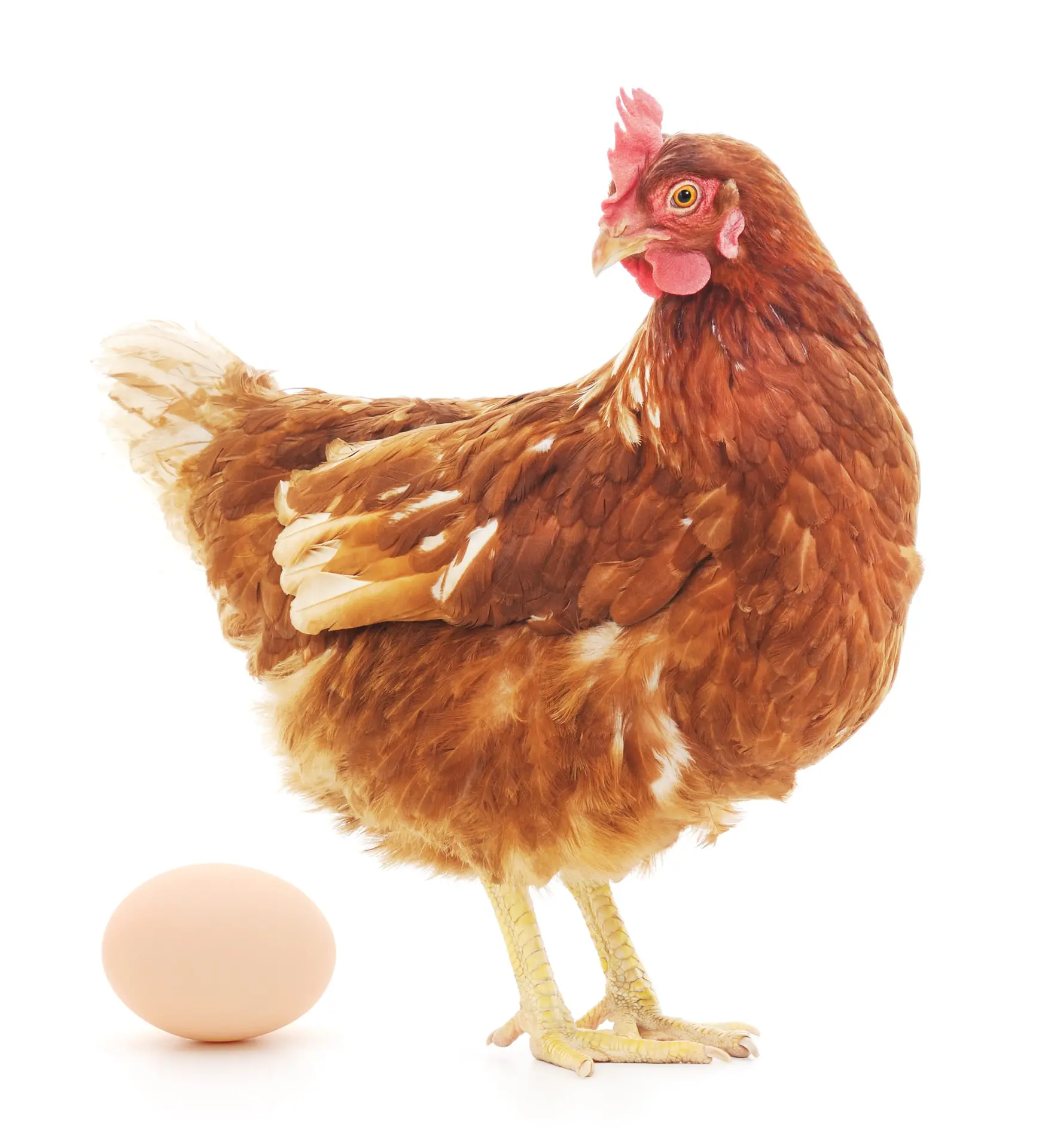
Layer nutrition

Performance is built before the first egg.

Stable laying performance begins with the chick, develops through rearing and depends on precise daily intake throughout the production cycle.

← All species

A long-cycle perspective

Manage the flock as one connected system.

Genetic potential becomes farm performance only when nutrition, water, microclimate, light and daily management work together.

Greenagro starts with the flock's actual data: age, weight, uniformity, egg mass, feed and water intake, shell quality, ingredients and environmental conditions.

140–145days to 50% production
94–96%peak production reference
461eggs to 100 weeks
>40 Ntarget shell strength

Brown-layer guide reference targets; farm results depend on genetics, health status, housing, climate, ingredients and management.

Production stages

Each phase prepares the next one.

The programme changes with biological development and observed performance. Age is a useful reference; the flock determines the decision.

01Arrival · first 7 days

Build the foundation

Prepare the house, air, water and feed before placement. Early access, correct temperature and active chick behaviour establish the basis for later uniformity.

Watch closelyWater uptake · crop fill · behaviour · temperature
02Rearing · to target maturity

Develop weight and capacity

Body weight and uniformity guide each feeding transition. The aim is not only growth, but the skeletal, digestive and intake capacity required for a stable start of lay.

Watch closelyBody weight · uniformity · feed structure · daily gain
03Pre-lay · short transition

Prepare for production

Pre-layer feed is a controlled bridge—not a permanent phase. Timing follows maturity and target weight, helping calcium metabolism adapt before meaningful egg output begins.

Watch closelyMaturity · target weight · calcium transition · first eggs
04Early lay · peak production

Protect daily nutrient intake

Rapidly increasing egg mass changes the flock's requirements. Formulation must follow actual consumption, production, egg weight, environment and the quality of available ingredients.

Watch closelyFeed intake · egg mass · peak persistence · shell quality
05Persistent and later lay

Sustain output and shell quality

As the flock ages, calcium delivery and shell support become more demanding. Nutrients should not be reduced abruptly while egg mass and productive potential remain high.

Watch closelyShell strength · egg weight · intake · flock condition

Five control points

Nutrition is precise only when the inputs are real.

These checks connect the feed programme with what the flock is actually experiencing.

01

Body weight

Change the feeding phase when the flock reaches its developmental target—not by calendar age alone.

02

Real consumption

The bird consumes grams of nutrients per day. The programme must reflect measured intake, not an assumed number.

03

Homogeneous structure

Consistent particle distribution reduces selective eating and helps every bird receive the intended nutrient balance.

04

Water and microclimate

A fall in water intake quickly limits feed intake. Temperature, ventilation and water quality must be read together.

05

Gentle transitions

Changes in ingredients, physical structure and nutrient density should be gradual, controlled and observed.

Nutritional challenges

Read the signal before performance falls.

Production percentage alone never tells the complete story. Intake, egg weight, egg mass, shell quality, flock condition and daily trends must be read together.

Discuss your flock

Uneven flock

Review early access, phase timing, feed structure and whether weaker birds can reach feed and water.

Intake below plan

Check water first, then temperature, feed structure, energy density, health and recent raw-material changes.

Weak shell

Review actual calcium intake, particle size, available phosphorus, vitamin D₃, water quality, heat and flock age.

Summer pressure

Protect water flow and feed intake, use cooler feeding periods and avoid abrupt changes during heat stress.

Technical basis

Content adapted from the Greenagro Practical Guide for Brown Layers, based on LOHMANN BROWN-CLASSIC technical recommendations. This page provides general information; a farm-specific programme requires review of the flock, ingredients, water, health status and local conditions.

Practical Greenagro support

Turn flock data into the right programme.

Greenagro connects farm diagnostics, raw-material analysis, formulation, precise production and follow-up.

View products Talk to an expert

Greenagro expertise

Our team is ready to support your next decision.

Contact an expert