
← Premix portfolio
Small-ruminant nutrition · Species-aware programme
S / G
Sheep & Goat Premix.
Mineral and vitamin support tailored to small-ruminant production systems.
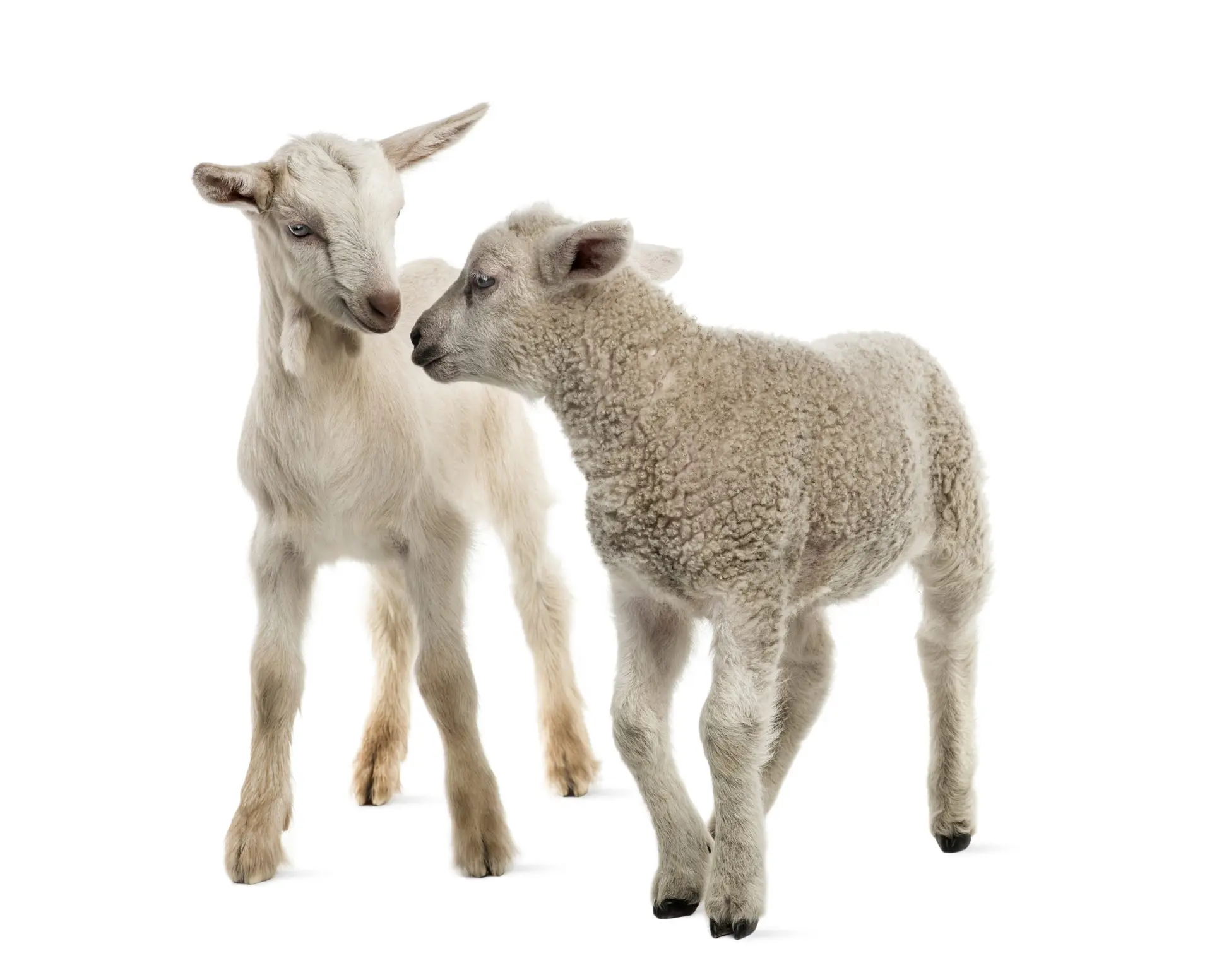
Two species · Five areasForage-led · Stage-specific
CategoryPremixes
Designed forSheep and goats
Programme basisSpecies, forage and stage
Information levelGeneral product information
Product overview
Start with forage. Adjust for the species and stage.
Sheep and goats share ruminant biology, but they should not automatically share one mineral programme.
Greenagro small-ruminant programmes are developed for the specific needs of sheep and goats across maintenance, growth, pregnancy and lactation. Local forage quality and production objectives guide each recommendation.
The Sheep & Goat Premix Programme is considered within the complete diet and the farm system—not as a stand-alone recipe. Each recommendation connects the species and animal group with forage quality, season, actual intake, management and a defined production objective.
Forage & season
Build from the pasture, browse and conserved forage the group can realistically consume at this point in the year.
Species awareness
Use species-appropriate products and prevent unsuitable cross-feeding, especially where sheep mineral sensitivity narrows the safety margin.
Stage & objective
Change the programme as growth, breeding, pregnancy, lactation or meat production changes the demand.
Programme areas
One forage-first method. Five changing priorities.
The animal group, condition, forage, measured intake, season and production plan determine when the programme moves from one priority to the next.
Young stock
Supports feed discovery, rumen development, weaning and controlled growth according to future breeding or meat-production objectives.
Lambs & kids · DevelopmentBreeding
Connects body condition, liveweight trend, forage quality and the breeding plan before reproductive demand rises.
Ewes & does · PreparationPregnancy
Develops from condition maintenance into the more concentrated priorities of late pregnancy as intake capacity and fetal demand change.
Early to late pregnancyLactation
Relates milk demand, number of young, forage intake, clean water and body-reserve change to the feeding programme.
Milk production · Dam conditionMeat production
Aligns controlled growth and finishing with forage value, intake, health, feed efficiency and the farm’s market objective.
Growing stock · Market targetSpecies-specific planning
The five areas provide the structure. Final recommendations depend on the intended species, analysed feeds, mineral context, health and farm conditions.
Whole-system perspective
Close the nutritional gap—not every possible gap.
The purpose is to identify what this group requires beyond its forage base, then confirm that access and management allow the programme to work.
Know the feed base
Inventory and analysis turn seasonal pasture, browse and stored forage into a usable nutritional starting point.
Reach every animal
Trough space, dominance, grouping, water and mineral access determine whether the intended programme reaches the whole group.
Review what changes
Condition, liveweight, growth, milk, reproduction and health observations guide the next decision.
Technical selection
The framework is shared. The recommendation remains farm-specific.
Selected according to species, physiological stage, forage analysis and farm management.
Request technical guidanceSpecies & group
Sheep or goats, breed, liveweight, physiological stage, body condition, health status and group variation.
Forage basis
Pasture, browse, hay, silage and purchased feeds reviewed through current availability, analysis and realistic intake.
Mineral context
Existing mineral products, water, access, storage and any cross-feeding risk between sheep, goats and other ruminants.
Farm objective
Replacement, reproduction, milk, growth or meat targets together with the records used to review animal response.
General information—never a complete formulation.
Exact composition, inclusion, mineral specifications and feeding directions are established through Greenagro technical consultation using the relevant species, animal, forage, feed and farm information.
Broader technical context
Connect the premix with the complete small-ruminant system.
Explore the Sheep & Goats species page for adult and young-stock stages, forage planning, mineral responsibility and nutritional challenges surrounding the programme.
Explore sheep & goat nutrition